Exploring the Tree of Life in Kabbalah
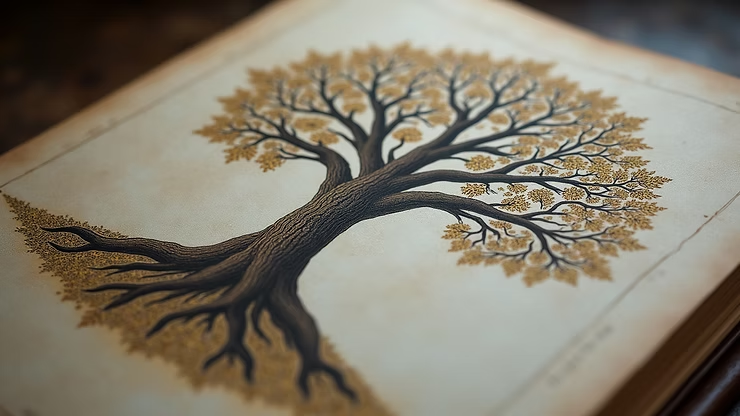
Frater Lucis · 13 October 2025
When I first encountered the Kabbalah Tree of Life, I was struck by its intricate design and profound symbolism. It’s not just a mystical diagram; it’s a map of the soul, a guide to understanding the universe and ourselves. If you’ve ever wondered how ancient wisdom can illuminate your spiritual path, you’re in the right place. Let’s explore this fascinating symbol together, unpacking its layers and discovering how it can enrich your journey.
Understanding the Kabbalah Tree of Life
The Kabbalah Tree of Life is a symbolic representation used in Jewish mysticism, but its influence stretches far beyond. It consists of ten interconnected spheres called Sephiroth (singular: Sephirah), each representing different attributes of God and stages of creation. These spheres are connected by 22 paths, corresponding to the letters of the Hebrew alphabet and the Tarot’s Major Arcana.
What makes the Kabbalah Tree of Life so captivating is its ability to bridge the divine and the earthly. It’s a spiritual blueprint that shows how energy flows from the infinite source into the material world and back again. Imagine it as a ladder or a map, guiding you from the mundane to the sacred.
Here’s a quick overview of the ten Sephiroth:
Keter (Crown) - Divine will and pure consciousness
Chokhmah (Wisdom) - Creative force and insight
Binah (Understanding) - Analytical thought and structure
Chesed (Kindness) - Love and mercy
Gevurah (Severity) - Strength and discipline
Tiferet (Beauty) - Harmony and compassion
Netzach (Victory) - Endurance and ambition
Hod (Glory) - Humility and sincerity
Yesod (Foundation) - Connection and communication
10. Malkuth (Kingdom) - Physical world and manifestation
Each Sephirah is a step on the spiritual path, inviting you to explore different aspects of your being.
How the Kabbalah Tree of Life Guides Spiritual Growth
If you’re on a spiritual path, the Kabbalah Tree of Life offers a practical framework for self-discovery and transformation. It’s not just abstract philosophy; it’s a tool you can use daily.
For example, when you feel overwhelmed by life’s challenges, you might focus on Gevurah, the sphere of strength and discipline. This can help you cultivate boundaries and resilience. Or, if you’re seeking deeper connection, Yesod encourages you to build bridges between your inner world and outer reality.
Here are some ways to work with the Tree of Life in your practice:
Meditate on each Sephirah: Spend time reflecting on its qualities and how they show up in your life.
Use the paths as Tarot correspondences: Each path aligns with a Tarot card, offering insights into your journey.
Visualise energy flow: Imagine divine energy moving through the Tree, healing and balancing your being.
Journal your experiences: Write about what each Sephirah reveals to you, noting shifts in awareness.
By engaging with the Tree of Life in these ways, you create a living dialogue between ancient wisdom and your modern experience.
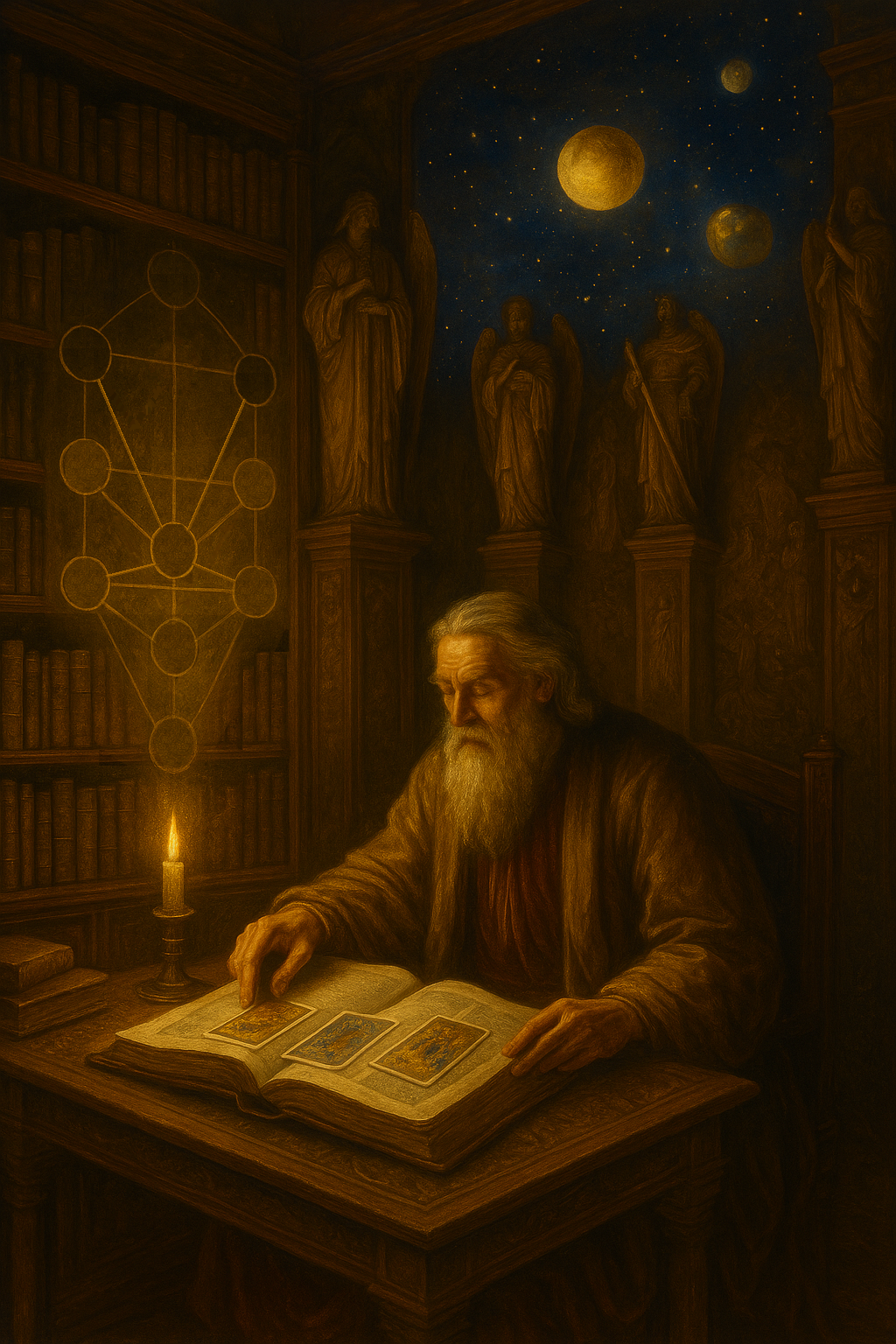
Tarot cards laid out for a reading inspired by the Kabbalah Tree of Life
What is the difference between the Tree of Life and the Kabbalah?
This question often comes up, and it’s worth clarifying. The Kabbalah is the broader mystical tradition, encompassing teachings,
texts, and practices aimed at understanding the divine and the cosmos. The Tree of Life is a central symbol within Kabbalah, a visual representation of its core concepts.
Think of it this way: Kabbalah is the entire spiritual system, while the Tree of Life is one of its most important tools. It’s like the difference between a language and a poem written in that language. The Tree of Life organises Kabbalistic ideas into a structure that’s easier to grasp and apply.
This distinction helps when you’re exploring resources or teachings. Some focus on the philosophical aspects of Kabbalah, while others dive deep into the Tree of Life’s symbolism and practical use. Both are valuable, but knowing the difference can guide your study and practice.
Practical Applications of the Tree of Life in Daily Life
You might wonder, “How can this ancient symbol help me today?” The answer lies in its versatility. The Tree of Life is not just for scholars or mystics; it’s a living tool for anyone seeking balance and insight.
Here are some practical ways to incorporate it into your daily routine:
Morning reflection: Choose a Sephirah to focus on each day. For example, start with Keter to set an intention aligned with your highest self.
Decision-making: When faced with a tough choice, consult the paths and Sephiroth related to wisdom and understanding, like Chokhmah and Binah.
Emotional healing: Use the Tree to identify where emotional blockages might be. For instance, if you struggle with self-love, spend time with Chesed and Tiferet.
Creative inspiration: Tap into Chokhmah for new ideas and Netzach for the drive to bring them to life.
Energy balancing: Visualise the flow of energy through the Tree to harmonise your chakras and subtle body.
By weaving these practices into your life, you create a bridge between spiritual insight and everyday experience.
Meditation session with Kabbalah Tree of Life chart for spiritual focus
Embracing the Tree of Life as a Path to Self-Alignment
At its heart, the Tree of Life is about alignment - aligning with your true self, with the divine, and with the flow of life. It invites you to explore your inner landscape with curiosity and compassion.
If you’re drawn to Tarot, you’ll find that the Tree of Life offers a rich context for understanding the cards. Each path corresponds to a Tarot card, creating a powerful synergy between these two ancient systems. This connection can deepen your readings and provide new layers of meaning.
For those interested in energy work, the Tree of Life maps out the flow of spiritual energy, helping you identify where blockages or imbalances may lie. It’s a guide for healing and transformation, encouraging you to become more embodied and present.
Ultimately, the Tree of Life is a reminder that your spiritual journey is unique. It honours your experiences and supports your growth, no matter where you are on the path.
If you want to explore more about the tree of life kabbalah, Tarot Pathwork offers a modern, embodied approach that integrates Kabbalah, Tarot, and energy work. It’s a wonderful resource for anyone ready to deepen their self-alignment and spiritual healing.
Exploring the Kabbalah Tree of Life is like opening a door to a vast, ancient wisdom that still speaks to us today. Whether you’re seeking insight, healing, or inspiration, this symbol offers a rich tapestry of meaning to guide your way. So why not take a moment now? Pick a Sephirah, draw a Tarot card, or simply breathe in the energy of the Tree. Your journey awaits.